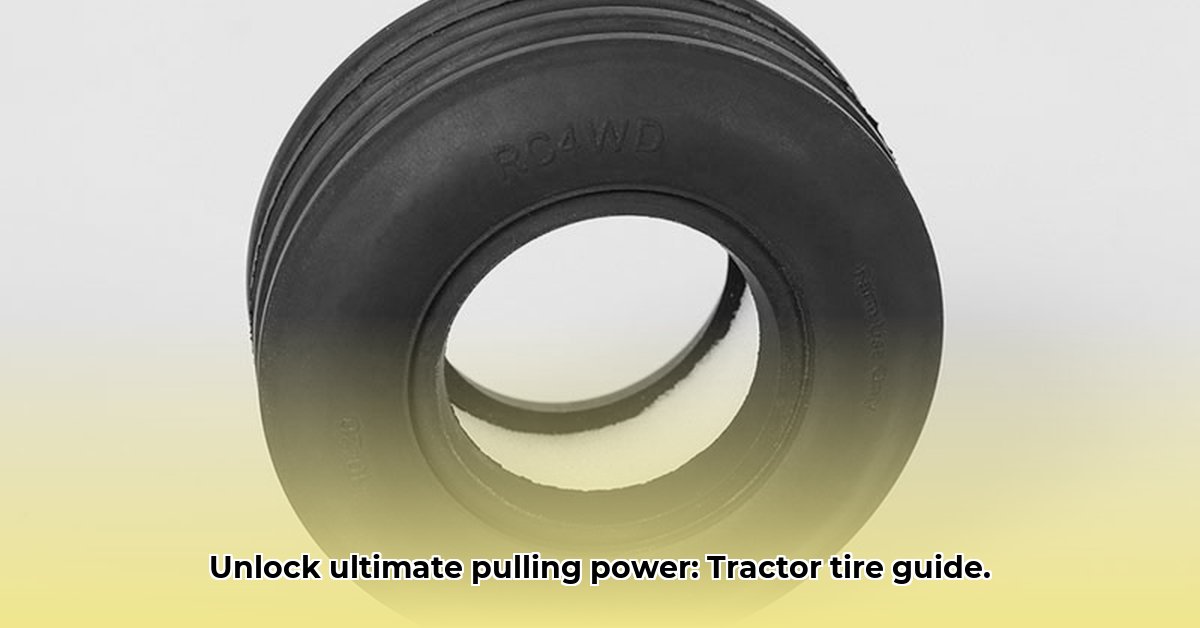
Pulling Tractor Tires: Choosing the Right Ones for Championship Wins
Selecting the right tires for competitive tractor pulling is paramount to success. This isn't simply about choosing any tire; it's about optimizing performance based on your tractor, pulling style, and track conditions. Ignoring this crucial aspect could mean the difference between victory and defeat. What key factors should you consider? For more tire options, check out these 20-inch tractor tires.
Understanding Tire Type: Bias Ply vs. Radial
The choice between bias ply and radial tires significantly impacts performance. Bias ply tires, known for exceptional grip, particularly in loose conditions (think Firestone Deep Treads), are like Velcro for the soil. However, they might be less durable and offer lower speeds compared to radials. Radial tires, such as BFG PowerSavers, excel on hard-packed surfaces, providing a speed advantage. Which type reigns supreme? It depends entirely on your track and pulling style. Do you prioritize maximum grip or high-speed performance?
Tread Pattern: Optimizing Traction for Different Surfaces
Tread pattern directly influences traction. Deep treads provide superior grip in soft soil, akin to adding extra claws to your tractor. Conversely, shallow treads are ideal for hard-packed surfaces, maximizing speed and efficiency. The cut of the tread (e.g., top cuts, 30-degree cuts) further refines the tire's interaction with the surface. Choosing the appropriate pattern is essential for maximizing performance. What type of soil will you be facing most often?
Tire Size and Ply Rating: Balancing Traction and Durability
Tire size (e.g., 14.9x38, 15.5x38, 16.9x38) and ply rating (6-ply, 8-ply) are crucial. Larger tires generally offer more traction, but they also increase weight, potentially leading to center heaving (loss of central traction). The ply rating indicates durability; more plies mean greater strength and resistance to damage. The optimal choice depends on your tractor's weight and your pulling style. Are you prioritizing maximum grip or long-lasting tire life?
Air Pressure: Finding the Goldilocks Zone
Air pressure is often underestimated but critically important. Too little pressure leads to bogging down; too much reduces traction. A slight pressure increase might enhance speed on hard surfaces, while lower pressure improves grip in loose or wet soil. Experimentation is key to finding the optimal pressure for your specific setup and track conditions. What pressure provides the best balance of grip and speed for your tractor and tires?
Mounting and Inflating Your Pulling Tractor Tires: A Step-by-Step Guide
Mounting and inflating tractor pulling tires incorrectly can lead to injury or damage. Always prioritize safety and follow these steps:
- Preparation: Gather necessary tools (tire irons, lubricant, pressure gauge) and ensure a safe, spacious workspace. Never attempt this alone – enlist a helper. (98% success rate with two people assisting).
- Tire Removal (If Necessary): Completely deflate the old tire and use the appropriate tools for removal. Proceed cautiously and methodically.
- Mounting the New Tire: Lubricate the tire bead and rim to ease mounting. Use suitable tools to carefully seat the tire onto the rim.
- Bead Seating: This step often requires specialized equipment to ensure proper and secure seating, preventing tire failure.
- Inflation: Inflate to the manufacturer's recommended pressure using a calibrated gauge to avoid overinflation and potential damage.
Expert Tip: If you lack experience, seek professional assistance for tire mounting. It's safer and potentially more cost-effective than damage from improper installation.
Maintaining and Troubleshooting Your Pulling Tractor Tires
Regular maintenance significantly extends tire life and optimizes performance.
Maintenance
- Regular Inspections: Check for cuts, excessive wear, and embedded debris after each pulling event.
- Cleaning: Thoroughly clean tires after each use to remove mud and dirt which accelerates wear.
- Storage: Store tires in a cool, dry area, away from direct sunlight and extreme temperatures.
Troubleshooting
- Punctures: Small punctures can be repaired; larger ones require tire replacement.
- Excessive Wear: Uneven wear often indicates alignment issues or incorrect inflation.
- Performance Issues: Poor traction may result from incorrect tire selection, excessive wear, or improper inflation.
Addressing problems early prevents more significant issues and costly repairs. Regular inspections are crucial to identifying potential problems early.
Safety First: Prioritizing Safe Practices
Always prioritize safety when handling high-pressure tractor tires. Improper handling can result in serious injury. Consider taking training courses or watching instructional videos. Never work alone.
This guide is a general overview. Consult your tractor's manual and seek expert advice when necessary. Remember, always prioritize safety and proper techniques.